MARVEL Tōkon Fighting Souls Assists & Character Switching
Call partners on purpose, then graduate to assist-to-switch rotations.
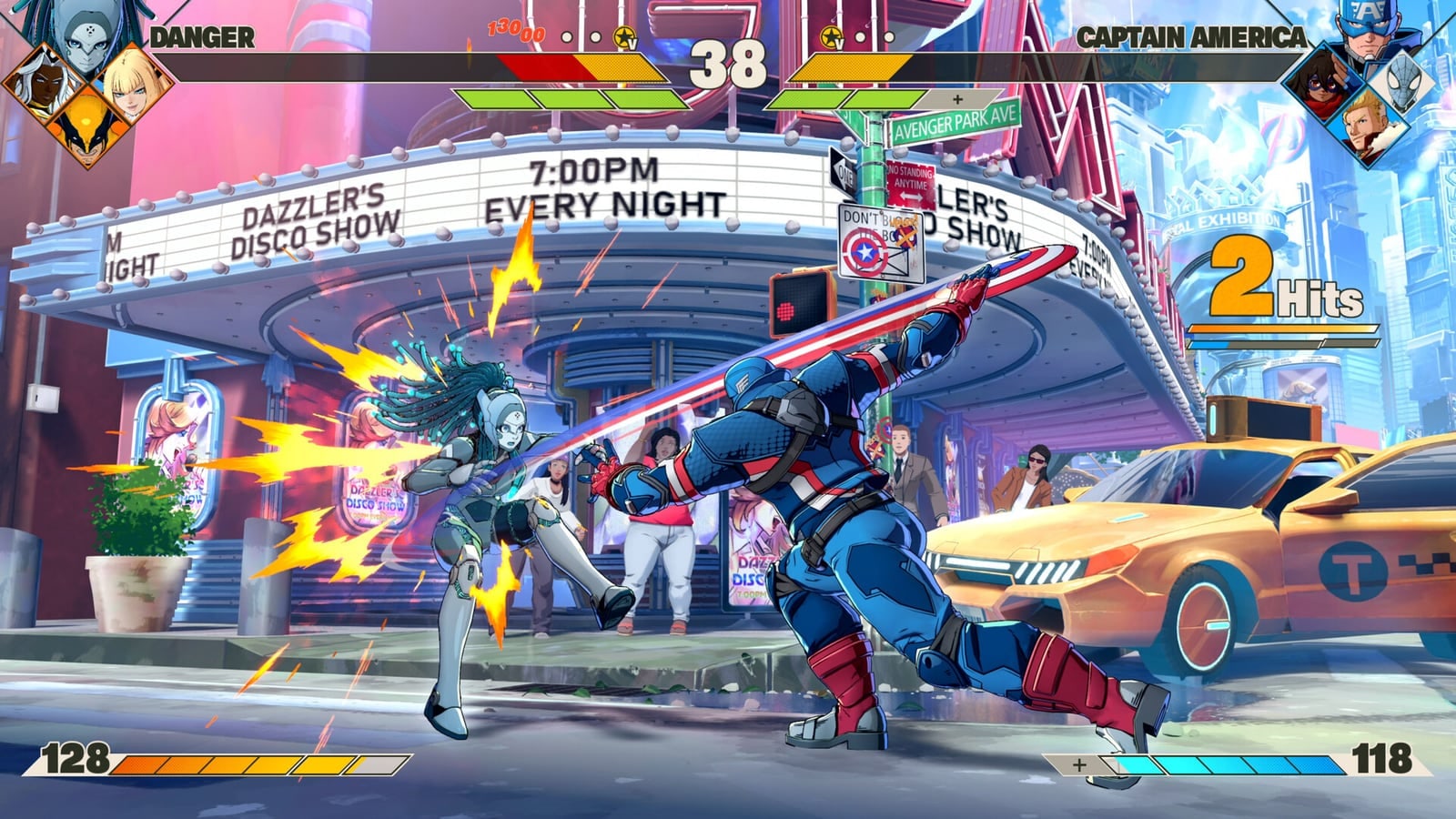
Assists and character switching are the heartbeat of MARVEL Tōkon Fighting Souls. Matches are 4v4 tag fights, but you do not dump four fighters onto the screen at once — you learn when to borrow a partner’s attack and when to fully swap the lead. This page consolidates official beginner guidance (including the July 2026 PlayStation Blog notes) into a launch-ready practice plan.
Assist vs switch — know the difference
- An Assemble Assist calls a teammate to perform one attack, then return to standby while your current fighter stays active.
- A character switch (tag) fully swaps which fighter you control.
Beginners should master assists first. Panic tags without a plan are how shared Vital Gauge evaporates.
How to call Assemble Assists
Press the Assemble button (shown as × on DualSense prompts in official materials). Directional input changes who answers and how they enter:
| Input | Typical teammate slot | What you are asking for |
|---|---|---|
| Neutral or Forward | 2nd teammate | Shooter / forward-style assist coverage |
| Down | 3rd teammate | Vertical / anti-air style cover |
| Back | 4th teammate | Assault / unique toolkit assist |
Exact attack properties are character-specific — lab them in Training — but the slot logic is universal. Build teams so each seat has a job; see Assist Roles and the Team Builder.
Assist-to-switch — the intermediate jump
After you call an assist, a short “Switch?” prompt appears. Press the tag button (L2 + direction in official DualSense examples) during that window to swap into the partner who just entered. This is the fluid rotation that makes Tōkon feel like a true team fighter instead of a solo game with fireworks.
Practice loop:
- Call a safe assist on block or confirm.
- Watch for the Switch prompt.
- Tag in only when you want that partner’s normals next — not every time.
Aerial assists
Calling a partner while airborne performs an Aerial Assist. Assist-to-switch also works in the air, which opens midair extensions once you stop dropping the prompt. Do not chase fancy air tags until ground confirms feel automatic.
Defense that uses the team
Official beginner materials highlight two defensive team tools:
- Assemble Counter — defensive backstep that can auto-retaliate if the opponent swings into it (practiced in Startup Battle).
- Crossover — while guarding, call a teammate to interrupt pressure and create a counter-window.
These cost Assemble resources and can be baited. Lab both in Training, then use them sparingly in casual. Pair with the broader rules in Systems Explained.
Common assist mistakes
- Mashing Assist whenever the icon glows
- Calling after non-cancellable specials (main assists typically need special-cancellable normals such as L / M / H)
- Drafting four point characters with no cover tool
- Tagging into a bad matchup just because the Switch prompt appeared
- Ignoring Wall Break turns that unlock more of your bench
Practice plan (one evening)
- Fifteen minutes: call only your 2nd-slot assist on purpose.
- Fifteen minutes: Down-assist anti-air drills.
- Fifteen minutes: assist-to-switch after a Medium confirm.
- Ten casual games where you refuse raw tags unless Switch was intentional.
Then lock a four-seat draft in Beginner Teams and keep studying How to Play if Startup Battle still feels fuzzy.
Assists are not decoration. They are how Marvel teams win rounds you could never steal alone.
Frequently Asked Questions
Quick answers to the questions players ask most.
What is the difference between an assist and a switch?
An assist borrows one attack from a teammate; a switch fully changes which fighter you control.
Which direction calls which teammate?
Neutral/Forward calls the 2nd seat, Down the 3rd, Back the 4th — confirm in Training for your pad.
What is assist-to-switch?
After calling an assist, press tag during the Switch prompt to take control of that partner.
Should beginners tag or assist first?
Learn assists first. Add switching once you stop panicking in neutral.
Do assists work in the air?
Yes — Aerial Assists and air assist-to-switch are available once your timing is clean.